
Science Quiz 1
Question:
Which planet in our Solar System is known as the “Red Planet”?
A) Venus
B) Mars
C) Jupiter
D) Mercury
 Correct Answer: B) Mars
Explanation:
Mars is called the Red Planet because its surface contains a large amount of iron oxide (rust), which gives it a reddish appearance. Mars has the largest volcano in the Solar System, Olympus Mons, and scientists continue to study it for signs of ancient water and the possibility of past microbial life.
Did You Know?
A day on Mars lasts about 24 hours and 37 minutes, making it very similar to a day on Earth.
Science Quiz 2
Question:
What is the chemical symbol for gold?
A) Ag
B) Au
C) Gd
D) Go
Correct Answer: B) Au
Explanation:
The chemical symbol Au comes from the Latin word Aurum, which means “shining dawn.” Gold is a precious metal that is highly valued because it is resistant to rust and corrosion, making it ideal for jewelry, coins, and electronic components.
Did You Know?
Gold is so malleable that 1 gram of gold can be hammered into a sheet covering nearly 1 square meter.
Science Quiz 3
Question:
Which gas do plants absorb from the atmosphere during photosynthesis?
A) Oxygen
B) Nitrogen
C) Carbon dioxide
D) Hydrogen
Correct Answer: C) Carbon dioxide
Explanation:
Plants absorb carbon dioxide (CO₂) from the air and combine it with water using sunlight to produce glucose (food) and oxygen. This process is called photosynthesis, and it is essential for life on Earth because it provides oxygen and removes carbon dioxide from the atmosphere.
Did You Know?
A large tree can produce enough oxygen in a year to help support the breathing needs of several people, depending on the species and growing conditions.
Science Quiz 4
Question:
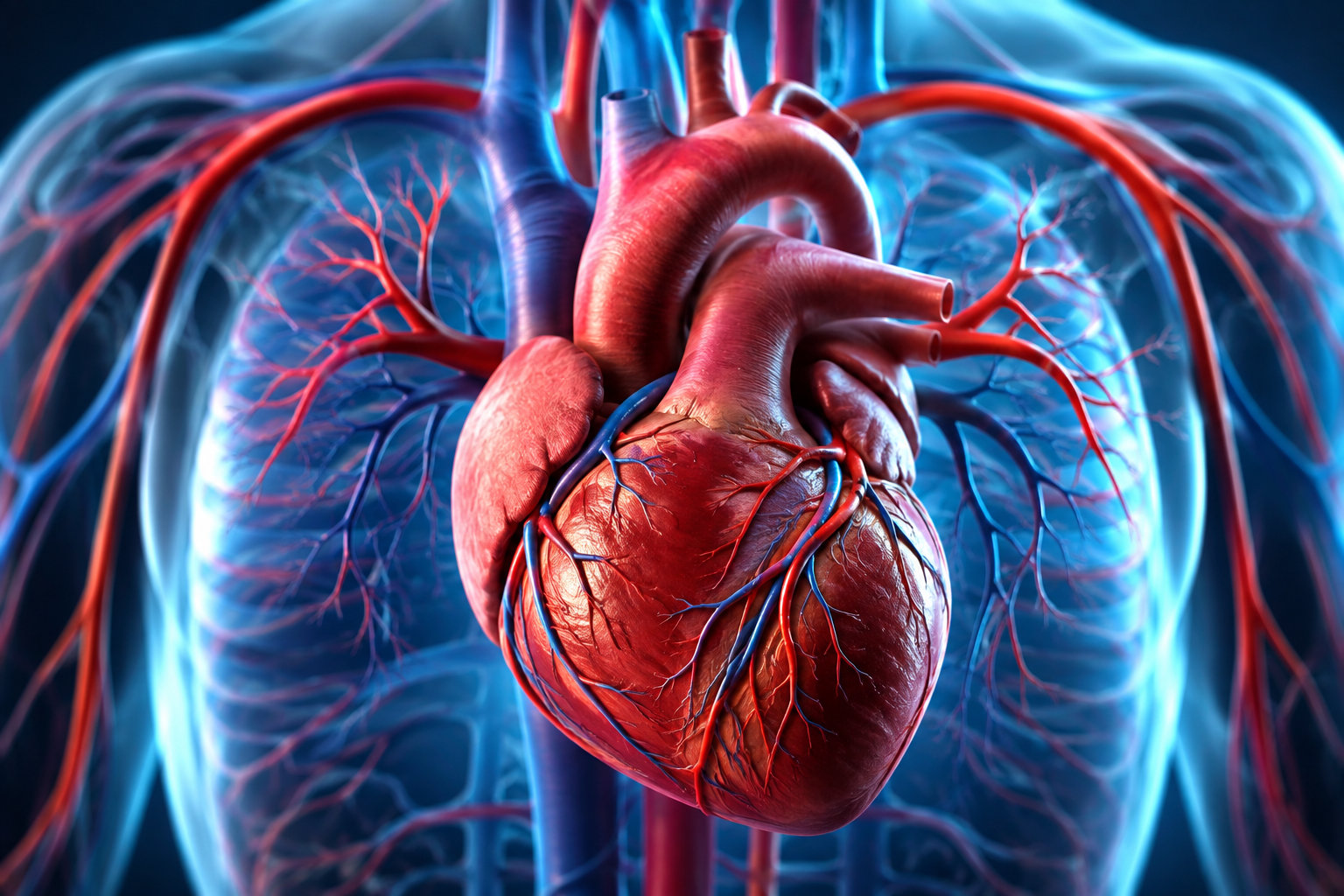
Which part of the human body pumps blood throughout the body?

A) Brain
B) Lungs
C) Heart
D) Liver
Correct Answer: C) Heart
Explanation:
The heart is a muscular organ that pumps blood through blood vessels to every part of the body. It delivers oxygen and nutrients to cells and carries away carbon dioxide and other waste products. An average adult heart beats about 60 to 100 times per minute at rest.
Did You Know?
The human heart pumps approximately 7,500 liters of blood through the body every day.
Science Quiz 5
Question:
Which is the largest organ in the human body?
A) Brain
B) Liver
C) Skin
D) Lungs
Correct Answer: C) Skin
Explanation:
The skin is the largest organ of the human body. It covers the entire body, protects against germs and injuries, helps regulate body temperature, and allows us to sense touch, heat, cold, and pain. In adults, the skin covers about 2 square meters and accounts for roughly 15% of total body weight.
Did You Know?
Your skin is constantly renewing itself. Most of the outer layer is replaced approximately every 4 weeks.
Science Quiz 6
Question:
What is the boiling point of pure water at sea level?
A) 50°C
B) 75°C
C) 100°C
D) 120°C
Correct Answer: C) 100°C
Explanation:
Pure water boils at 100°C (212°F) at standard atmospheric pressure (sea level). At higher altitudes, where air pressure is lower, water boils at a lower temperature.
Did You Know?
Water can boil at temperatures below 100°C on high mountains like Mount Everest because the atmospheric pressure is much lower than at sea level.
Science Quiz 7
Question:
Which is the hardest naturally occurring substance on Earth?
A) Iron
B) Diamond
C) Quartz
D) Granite
Correct Answer: B) Diamond
Explanation:
Diamond is the hardest naturally occurring substance on Earth. It is made entirely of carbon atoms arranged in a strong crystal structure, which makes it extremely hard and durable. Because of its hardness, diamonds are used not only in jewelry but also in cutting, drilling, and polishing tools.
Did You Know?
Although diamond is the hardest natural material, it can still be split along certain crystal planes if struck in the right direction.
Science Quiz 8
Question:
Which vitamin is produced in the human skin when it is exposed to sunlight?
A) Vitamin A
B) Vitamin B₁₂
C) Vitamin C
D) Vitamin D
Correct Answer: D) Vitamin D
Explanation:
When the skin is exposed to sunlight, particularly UVB rays, it produces Vitamin D. This vitamin helps the body absorb calcium and phosphorus, which are essential for strong bones and teeth. Vitamin D also supports the immune system and muscle function.
Did You Know?
Just 10–30 minutes of sunlight exposure a few times a week may be enough for many people to produce adequate Vitamin D, though the amount varies depending on factors such as skin tone, location, season, and time of day.
Science Quiz 9
Question:
Which blood cells help fight infections in the human body?
A) Red blood cells (RBCs)
B) White blood cells (WBCs)
C) Platelets
D) Plasma
Correct Answer: B) White blood cells (WBCs)
Explanation:
White blood cells (WBCs) are an important part of the body’s immune system. They help protect the body by identifying and destroying harmful bacteria, viruses, fungi, and other disease-causing organisms. Different types of WBCs perform different roles in defending the body against infections.
Did You Know?
A healthy adult typically has about 4,000 to 11,000 white blood cells per microliter (µL) of blood, though this range can vary slightly between laboratories.
Science Quiz 10
Question:
Which force keeps the planets moving around the Sun?
A) Magnetic force
B) Frictional force
C) Gravitational force
D) Electric force
Correct Answer: C) Gravitational force
Explanation:
The gravitational force between the Sun and the planets keeps the planets in their orbits. The Sun’s enormous mass creates a strong gravitational pull that continuously attracts the planets, while their forward motion keeps them orbiting instead of falling into the Sun.
Did You Know?
The Sun contains about 99.8% of the total mass of our Solar System, which is why its gravity dominates the motion of the planets.



Leave a Reply